
Durable Plastic Box Handles That Make Carrying Heavy Loads Effortless
When moving a heavy storage container, a plastic handle for the box provides a secure grip to lift and carry the load. This handle is typically attached to the box’s sides or lid, using screws or molded slots, allowing it to bear the weight without tearing. Its rigid yet lightweight design offers improved ergonomic control, reducing hand strain during transport. Simply fit the handle onto the box’s mounting points and tighten for immediate use.
Selecting the Right Carry Grip for Your Container
Selecting the right carry grip for your box hinges on matching the handle’s design to the container’s load and intended use. A molded-in plastic handle offers the most secure, integrated solution for heavy or frequently moved boxes, eliminating stress points that might cause detachment. In contrast, a snap-on or clip-in plastic handle provides flexibility for retrofitting existing containers, but you must ensure the attachment points reinforce the box wall to avoid tearing. Even the most ergonomic grip fails if its installation compromises the structural integrity of the box rim. Prioritize handles with a textured surface for slip resistance, and verify that the grip’s width aligns with your hand size to prevent fatigue during extended carrying.
Material Choices: From Polypropylene to Bioplastics
Material selection for a box handle directly impacts durability and environmental footprint. Polypropylene offers excellent fatigue resistance, making it ideal for repeated flexing in folding handles, while bioplastics like PLA or starch-based compounds prioritize compostability handle for box but may have lower impact strength. For heavy loads, reinforced polypropylene provides necessary rigidity; for single-use or eco-conscious designs, a bioplastic blend meets disposal goals. Each choice trades off longevity against end-of-life processing.
- Polypropylene resists cracking under constant stress in articulating handles.
- Bioplastics suit lightweight, short-term containers but require dry storage.
- Hybrid materials combine recycled PP with bio-fillers for balanced performance.
Weight Capacity and Load Limits
Matching the plastic handle for box to the container’s maximum load is non-negotiable for safe transport. Exceeding the handle’s rated capacity causes immediate stress fractures at the attachment points or material fatigue, leading to sudden failure. Always verify the handle’s load limit against the filled box’s total weight, not just the packaging weight. A handle rated for 50 pounds will snap with a 60-pound load, risking injury.
- Confirm the handle’s static load rating exceeds the packed box weight by at least 20%.
- Check for injection mold marks indicating a reinforced, high-load variant.
- Never assume handles on large boxes are rated for heavy loads without printed capacity markings.
Ergonomic Designs for Comfortable Lifting
Ergonomic designs for comfortable lifting transform a standard plastic handle for box into a back-saving tool. The handle’s contour should mirror the natural curve of a relaxed hand, distributing weight evenly across the palm rather than digging into fingers. Integrated finger grooves prevent slipping and reduce grip fatigue during repeated carries. A rubberized overmold adds cushioning, while a slight upward angle at the handle ends keeps the wrist in a neutral, strain-free position. This subtle curvature can mean the difference between a manageable lift and chronic discomfort.
- Rounded, wide-arc handles reduce pressure points on the palm
- Textured or rubberized surfaces ensure a non-slip grip
- Offset handle angles align the wrist for straight, natural lifting
- Thicker grip profiles accommodate larger hands without over-gripping
Manufacturing Processes and Quality Control
The manufacturing process for a box handle typically begins with injection molding, where molten plastic is forced into a precision steel mold under high pressure. This ensures consistent wall thickness and a smooth, ergonomic grip. Quality control immediately verifies the handle’s dimensional accuracy against the mold specifications using calipers and CMMs, rejecting any parts with warpage or flash. A critical, user-focused step is the pull-test, where handles endure repeated tensile loads to confirm they won’t snap under the box’s weight.
Surface finish inspection for sharp edges or burrs is equally vital, as these flaws directly compromise user safety and comfort.
Temperature cycling further validates material resilience, ensuring the handle remains functional from freezing warehouses to hot shipping containers.
Injection Molding Techniques for Durable Grips
For durable grips on a plastic box handle, overmolding with a thermoplastic elastomer is a top injection molding technique. This process bonds a soft, textured layer directly onto a rigid core, creating a non-slip surface that resists fatigue. Using a TPE with a durometer rating around 60 Shore A offers a balanced feel between comfort and longevity. Single-material molding with ribbed or diamond patterns can also improve grip, but overmolding prevents the handle from absorbing oils or becoming slick during heavy use. Consistent melt temperature and injection speed are key to avoiding weak weld lines at stress points.
Common Defects and How to Avoid Them
Common defects in plastic handles for boxes include sink marks, warpage, and short shots. Sink marks, caused by uneven cooling, are avoided by optimizing gate placement and packing pressure. Warpage from residual stress is minimized with uniform mold temperature control and balanced fill rates. Short shots result from insufficient material flow; remedy this by increasing injection speed or melt temperature. Preventing flow lines requires adjusting gate design and material viscosity. Q: How can you eliminate brittle breakage in handles? A: Reduce regrind content and ensure proper drying of hygroscopic resins to avoid moisture-induced degradation.
Testing Standards for Strength and Safety
For a plastic handle on a box, load testing standards ensure it won’t snap under typical use. Handles must withstand a static pull test, often applying 1.5 times the maximum expected weight for 60 seconds. A drop test from a specified height checks if the handle cracks or detaches upon impact. Cycle testing, where the handle is repeatedly lifted and released, verifies long-term durability against fatigue. Finally, a sharp edge gauge ensures no burrs or rough spots remain that could cut hands.
Testing standards for strength and safety confirm the handle holds weight, survives drops, resists wear, and stays safe to grip.
Key Design Features for Functional Handles
For a plastic handle for box, ergonomic contouring is key to preventing hand fatigue during transport. A rounded, non-slip grip texture ensures secure handling even with sweaty palms. The handle’s attachment points must be reinforced to prevent snapping under the full weight of the box. Integrating a slight inward curve under the fingers allows for a natural carrying position, distributing load more evenly. Ribbing or finger grooves on the underside can further improve control. Avoid sharp edges; a smooth, radiused profile is essential for comfort during repeated use. The thickness should be substantial enough to resist bending but not so bulky as to be uncomfortable for smaller hands.
Texture and Grip Patterns for Slip Resistance
Raised diamond knurling provides multi-directional slip resistance on a plastic box handle, channeling moisture away from the contact zone. For high-grip needs, a staggered chevron pattern directs tactile feedback to the palm during lifting. Sequential texturing begins with a coarse 1.5mm ridge at the handle base, transitions to 0.8mm crosshatching in the mid-grip, and ends with a dual-durometer overmold at the apex, where a soft elastomer layer increases friction against wet gloves. Each pattern segment must maintain a 0.3mm minimum depth to prevent molding flash that reduces traction.
Attachment Methods: Snap-On vs. Screw-In
For plastic box handles, attachment reliability hinges on the snap-on vs. screw-in choice. The snap-on method uses flexible locking tabs that click into pre-cut slots, enabling rapid tool-free assembly and a flush exterior, ideal for lightweight or disposable boxes where speed matters. The screw-in method relies on threaded inserts or self-tapping screws, delivering a rigid, vibration-proof joint that withstands heavy loads and repeated torque without loosening. While snap-on simplifies production and eliminates metal corrosion risks, screw-in offers field-replaceable durability. Which method resists failure better under constant jarring? The screw-in’s mechanical thread lock outperforms snap-on’s plastic flex fatigue. Choose snap-on for cost-efficient, low-stress containers; choose screw-in for demanding, high-duty cycles.
Color and Customization Options for Branding
Color and customization options for branding transform a standard plastic handle for box into a distinct market identifier. Manufacturers offer a broad spectrum of integral colors during injection molding, ensuring the hue penetrates the entire material and resists fading from abrasion. For targeted brand alignment, bespoke color matching allows exact replication of corporate palettes using Pantone or RAL references. Beyond solid colors, dual-shot molding enables two-tone designs, combining a brand’s primary color with a contrasting accent for visual hierarchy. Custom debossing or raised logos can be integrated directly into the mold, creating permanent texture that eliminates the need for secondary decals. Surface finishes, from matte to high-gloss, further refine tactile branding, ensuring the handle visually communicates brand identity without compromising functional grip or structural integrity.
Application-Specific Handle Configurations
Application-Specific Handle Configurations for a plastic box dictate the handle’s geometry based on its intended use. For heavy-duty storage, a recessed, flush-mounted handle prevents snagging and distributes load across the box wall. A pivoting, over-molded TPR grip is typical for portable toolboxes, offering comfort during repeated carries. In food transport, an integrated, one-piece handle with a smooth, non-porous surface simplifies sanitation. For stackable crates, a side-mounted, open slot handle allows forklift tine access while maintaining a low profile. Each configuration optimizes ergonomics and durability by tailoring the handle’s attachment method—ultrasonic welding for permanent mounting versus snap-fit for replaceable designs—directly to the box’s functional demands.
Heavy-Duty Totes and Industrial Bins
For heavy-duty totes and industrial bins, handle configurations prioritize load distribution and structural integrity under repetitive lifting. A common design integrates reinforced grip channels directly into the bin sidewall, removing separate handle components that could shear under stress. Tote handles often use a deep, recessed profile to prevent snagging on pallet racking while allowing four-person lifting points on larger bins. The plastic handle geometry typically incorporates a ribbed texture for secure manual handling and a curved base that distributes point loads across the bin’s sidewall thickness. Sequential fabrication steps include:
- Molding the handle as a thickened, profiled extension of the bin wall, not an attachment.
- Adding an anti-slip texture only to the gripping surface.
- Integrating a drainage slot at the handle base for washdown environments.
Retail Packaging and Consumer Boxes
For retail packaging and consumer boxes, the plastic handle’s primary function is to transform a static container into a mobile, shopper-friendly asset. These boxes often utilize a fully integrated, die-cut handle that folds flush against the box when not in use, preserving a clean shelf presence while offering immediate grab-and-go convenience. A recessed channel ensures the handle does not snag on neighboring products during transit. Crucially, the plastic handle for box must support the combined weight of the product and the packaging’s structural rigidity, preventing tearing at the attachment points during a customer’s walk to the checkout. This design creates a portable point-of-purchase experience that enhances user interaction without compromising the box’s protective integrity.
Specialty Cases for Tools or Electronics
For toolkits and delicate electronics, the plastic handle for box evolves into a protective command center. Here, the handle integrates custom-molded foam inserts, locking precision instruments or sensitive devices in place during transit. These specialty cases feature dual-material handles—rigid polypropylene for strength, overlaid with thermoplastic rubber for a secure, shock-absorbing grip. Hidden compartments within the handle cavity stash micro-driver bits or memory cards. The handle itself often incorporates quick-release latches, transforming from a carrying grip into a deployable stand for field repairs.
Environmental and Sustainability Considerations
When looking at a plastic handle for a box, the biggest environmental factor is its material choice. A handle made from recycled polypropylene reduces the demand for virgin plastic and keeps waste out of landfills.
Opting for a mono-material handle (like all PP) makes the entire box easier to recycle than one with mixed plastics or metal inserts.
Durability also matters: a handle that breaks quickly means replacing the whole box, creating more waste. A well-designed, long-lasting handle actually supports sustainability by extending the product’s life. For a greener choice, seek out handles labeled with resin codes like #5 PP, and confirm they’re free from coatings that complicate recycling.
Recycled Materials in Grip Production

Integrating post-consumer recycled polypropylene into box handle grips reduces virgin plastic demand without compromising tensile strength. Recycled-content grips maintain tactile durability through precise compounding, ensuring consistent slip resistance even after repeated molding cycles. The recycling process requires careful filtration to remove contaminants that could weaken the grip’s structural integrity. Closed-loop systems reclaim production scrap directly into new handle batches, minimizing material waste. Proper drying protocols prevent moisture-induced voids during injection, preserving the grip’s dimensional stability.
Recycled content in grip production maintains performance standards while diverting industrial and post-consumer plastics from landfills through controlled material sorting and processing.
Lifecycle Assessment and End-of-Life Disposal
A lifecycle assessment of a plastic box handle must track its end-of-life disposal path, ensuring the material isn’t wasted. Disposal options directly impact the handle’s sustainability: mechanical recycling can reclaim polypropylene or polyethylene, but only if the handle is easily detached from the box and free of mixed-material inserts. Without this separation, it often heads to landfill or incineration. For users, choosing a handle with a clear recycling symbol and simple snap-off design simplifies this final stage, making responsible disposal a practical, everyday action.
Reducing Waste Through Modular Design
Modular design for a plastic handle for box reduces waste by allowing individual components, such as a worn grip or a damaged clip, to be replaced rather than discarding the entire handle. This approach, central to circular economy principles, minimizes material consumption and landfill contribution. A handle system with standardized snap-fit parts enables users to swap out broken sections without tools. This extends the product’s lifecycle while reducing the need for wholly new handle production.
Modular design cuts waste by enabling targeted replacement of handle parts, not the whole unit.
Market Trends and Cost Optimization
To achieve cost optimization for plastic handles for boxes, current market trends demand a shift toward high-volume, low-waste production. Design for manufacturability is critical: using a single-cavity mold with a hot runner system reduces material scrap and cycle time. You should also consolidate handle designs across product lines; standardizing on two or three ergonomic profiles allows bulk purchasing of resin, often securing a 5–7% price break per ton.
Switching from virgin polypropylene to a 30% post-consumer recycled blend can cut raw material costs by up to 15%, provided you adjust mold cooling channels to maintain dimensional stability.
Finally, eliminate secondary operations by integrating the box handle’s snap-fit features directly into the mold, reducing assembly labor costs by roughly 20% per unit.
Balancing Durability with Affordability
Manufacturers balance durability with affordability by selecting polypropylene for its high impact resistance at a low per-unit cost, avoiding over-engineering thick handles where simple ribbed designs suffice. A handle that fails under 50 pounds over-specs for a 20-pound box, so matching wall thickness to load eliminates waste. The real art lies in tooling optimization—molding cycle times are tweaked to retain tensile strength without inflating energy bills.
How can you confirm the handle won’t crack under heavy use without paying for premium materials? Check for short-glass-fiber reinforcement at under 15% content; it boosts stiffness by 30% while adding minimal cost, keeping the handle both tough and budget-friendly.
Global Supply Chain for Handle Components
The global supply chain for plastic box handle components relies on regionalized sourcing hubs to mitigate disruption. Manufacturers typically source polypropylene resin from Middle Eastern petrochemical centers, while metal inserts for reinforced handles are procured from Chinese or Indian foundries. This split creates a logical sequence: first, resin is shipped to injection-molding facilities in Southeast Asia; second, the molded components travel to regional assembly hubs for insert overmolding; third, finished handles are consolidated with box bodies in near-shore distribution centers. Any delay at the injection stage cascades directly into stock-out risks for the final box assembly line.
- Secure resin contracts with at least two regional suppliers to avoid single-source dependency.
- Validate that your chosen molders have buffer capacity for the 6–8 week lead time on custom handle tooling.
Consumer Preferences for Aesthetic and Utility
For box handles, consumers prioritize tactile comfort over visual flair, yet ergonomic grip design now dictates aesthetic appeal. A matte, textured surface is favored for its slip resistance, while glossy finishes are avoided for showing fingerprints. Utility demands a handle that supports the box’s weight without flexing; this structural integrity often dictates a minimalist profile, as ornate curves weaken load capacity. Color preferences for handles are neutral (black, gray) to complement branding, not distract. Q: Are soft-touch rubberized handles purely aesthetic? A: No—they reduce hand fatigue during repetitive lifting, merging comfort with practical utility.
Key Features That Define a Quality Plastic Box Handle
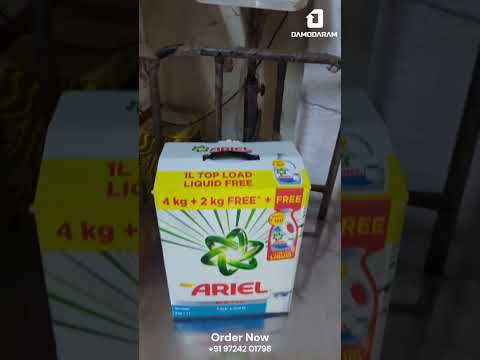
Load Capacity and Weight Limits You Should Know
Material Types: Polypropylene vs. ABS vs. Nylon Handles
How to Select the Right Handle for Your Specific Box Type
Matching Handle Design to Box Material and Thickness
Ergonomic Considerations for Frequent Lifting
Installation Methods for Plastic Box Handles
Screw-Mount vs. Snap-Fit: Which Attachment Works Best
Tools and Steps for a Secure, Long-Lasting Fit
Durability Factors That Affect Handle Lifespan
Impact Resistance and UV Degradation Over Time
How to Inspect for Wear Before Failure Occurs

Common Use Cases and Practical Applications
Handles for Storage Totes, Toolboxes, and Shipping Crates
Retrofit Options for Damaged or Missing Handles
Simple Maintenance Tips to Extend Handle Performance
Cleaning Methods That Prevent Slippage and Cracking
